Antonio Evans
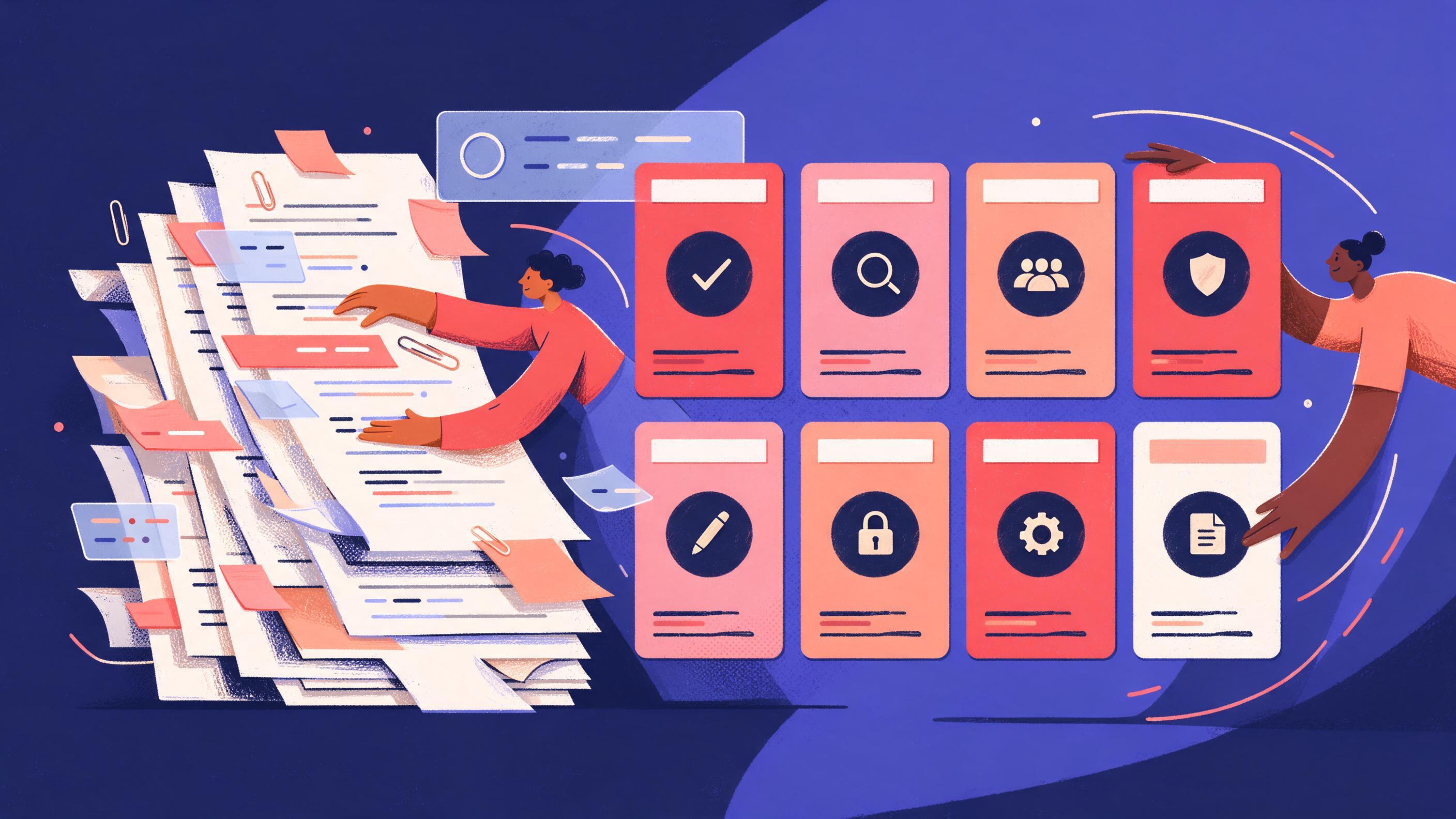
Ask a general model whether a liability clause is acceptable and it will answer with confidence. That confidence rests on nothing you supplied. The model has absorbed a great deal of published contract language and general legal commentary, and when you do not hand it a reference it falls back on that ambient sense of what "normal" looks like. The answer reads like a judgment against your playbook, but it is a judgment against an average of the internet.
The failure is a retrieval and context problem, not a reasoning problem. Contract review systems fail when text is split into token-counted chunks that cut across clause boundaries, so the retrieved passage straddles two provisions and the model grounds its answer in the wrong one. A worked example from a practitioner write-up: counsel asks whether the liability cap is acceptable, the agent answers "12 months of fees per Section 9.3," and Section 9.3 turns out to be payment terms while the liability clause sits elsewhere. The clause, not the chunk, is the unit of legal reasoning (Future AGI).
The second failure mode is precedent confusion. Teams blend two different questions: what does our playbook say, and what did we agree last time. A model asked to compare a draft against a messy archive of past agreements will treat an outlier deal as the standard. Analysts who map this workflow separate policy from precedent deliberately, and note that relevance should reflect deal context, not clause similarity alone (Glean). That is exactly what a structured library gives you: an explicit, current statement of policy that the model compares against, with precedent as a supporting signal rather than the baseline.
Think of the difference this way. Implicit baseline is a model guessing what your company usually accepts. Explicit baseline is a model checking a document field against a stated value and returning a verdict. Only the second is auditable, and only the second survives a partner asking "why did the system say this was fine?"