Marketing

How to Write Case Studies Customers Will Read

Antonio Evans8 min read

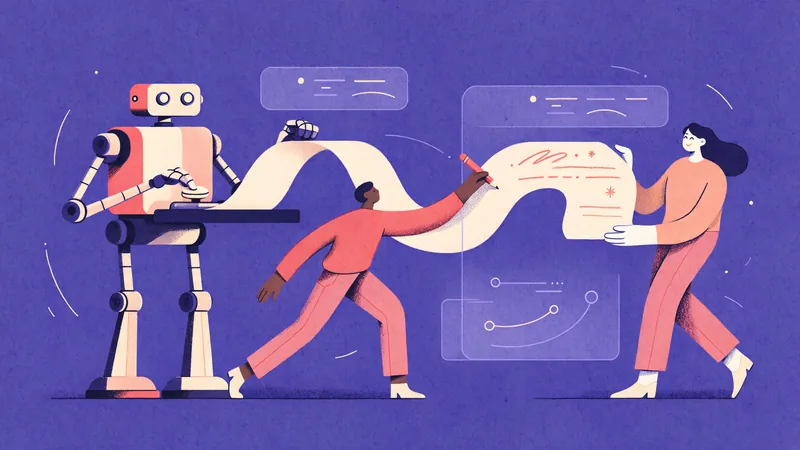
A marketer and a customer sit together over an open storybook with a simple before and after picture, the customer pointing proudly at the after side.
Key points

Key points

  1. 1Buyers read case studies to answer three questions: does this company understand my problem, can it solve it, and did it work for someone like me.
  2. 2The best subject is the customer with the clearest before-and-after story and a willing spokesperson close to the work, not necessarily the biggest logo.
  3. 3A familiar structure with the customer as the hero, specific numbers and real quotes is more convincing than a creative format or polished marketing language.
  4. 4Get written approval for every quote and figure, keep the record, and reuse each approved story across the website, sales materials and campaigns.

What buyers want from a case study

A case study is a customer story that shows how a specific organization solved a specific problem with your help. It is evidence, and buyers use it as evidence.

The Content Marketing Institute (CMI) describes the questions every reader brings: do you understand their problem, do you have a solution, and does it work? Prospects read case studies because they want to see what happened to organizations in similar industries and circumstances. CMI cites its 2023 benchmark research, in which 36% of B2B marketers rated case studies as effective, more than long articles, podcasts, infographics or print.

Articulate Marketing maps how a case study helps at each stage of a purchase:

Buyer stageHow a case study helps
Early researchShows what kind of problems you solve
Problem definitionHelps buyers recognize their own situation
Supplier comparisonGives evidence for your positioning
Internal business caseGives the internal champion proof to share
Final decisionReduces perceived risk

That last row matters most in business purchases. Articulate notes that careers, budgets and internal credibility are all at stake in a B2B decision, and a case study helps the buyer feel less alone in making it.

If a case study does not answer the reader's three questions quickly, it fails, no matter how impressive the customer or the result.

The instinct is to feature the most famous customer. That is often the wrong choice. Articulate observes that the best case study often comes from the best story, not the biggest logo. Large organizations tend to have long approval processes and strict brand rules, and may share little detail. A smaller customer with a clear challenge and a willing spokesperson can be more useful.

Look for customers who:

  • Represent the market you want to win.
  • Had a clear problem and made visible progress.
  • Can speak honestly about what was hard.
  • Have a spokesperson who lived the problem.
  • Are willing to approve the story and the numbers.

Choose subjects to match your messaging. Grey Matter argues that many case studies fail because they are built around wins that make the vendor look good rather than the specific problems the company's messaging claims to solve. Its advice is to list your core problem statements, then audit your case study library to see which problems you have proof for and which you claim without evidence.

Amy Saper, a former product marketer at Stripe, describes the same approach from the launch side. Her team started from the campaign strategy: which features, industries and differences from competitors did they want buyers to notice? They then chose customers who illustrated each theme. Where no suitable customer existed yet, the list became a target list for sales.

A simple planning table keeps this honest:

Problem we claim to solveCustomer who proves itFormatStatus
Example: manual monthly reportingCustomer A, finance leadFull case studyInterview booked
Example: slow staff onboardingCustomer B, operations managerShort quote and figureAwaiting approval
Example: data scattered across toolsNone yetNot startedSales target

Prepare and run the customer interview

Do your homework before the call so you do not waste the customer's time on facts you could have looked up. Articulate recommends gathering the customer's background, project goals, timeline, stakeholders, known outcomes, existing testimonials, service details, any sensitive topics and approval requirements before you speak.

Interview the right person. Talk to the person closest to the problem and the result: the project lead, the day-to-day user or the operations owner. That is often not the most senior title. Articulate warns that marketing or PR contacts who were not close to the work tend to give a polished version, and buyers need something more real.

Ask about the before, the decision and the after. Useful questions, adapted from Articulate and Gainsight:

  1. What problem were you trying to solve, and why did it matter at the time?
  2. What had you tried before?
  3. Why did you choose this approach over the alternatives?
  4. What was difficult during setup or adoption?
  5. What changed, and how do you measure it?
  6. How has your day-to-day work changed?
  7. What surprised you?
  8. What would you tell someone in a similar situation?
  9. What are you able to say publicly?

Articulate stresses the last question: a brilliant quote that cannot be approved is just a lovely private moment.

Ask about feelings as well as figures. Gainsight's guide to case study writing advises interviewers to ask about pain points, frustrations and how the customer felt when the problem was solved, not just about metrics. Its writer builds each case study by placing the strongest quotes first and writing the narrative around them.

Record the call with permission. The 100 Tasks interview guide recommends that you ask permission to record and explain the approval process at the start, so the customer knows nothing will be published without their review.

Use a structure buyers already know

Case studies are not the place for experimental structure. CMI notes that readers often compare several case studies, and if they have to work to find what they need, they move on to easier ones. It points to a technology company that uses the same structure for every story: challenge, approach and business outcomes.

A structure that works for most businesses:

SectionWhat it contains
HeadlineThe customer and the outcome, in plain words
Summary boxIndustry, size, problem, solution and two or three results, for skimmers
The problemWhat was wrong, in the customer's words
Why it matteredThe cost of the problem: money, time, risk or missed growth
The approachWhat was done, how it was implemented, and what was hard
The resultsSpecific outcomes with time frames
What is nextHow the relationship or the work continues
Call to actionOne relevant next step for the reader

Grey Matter adds the step many case studies skip: why it mattered. Do not assume the problem is self-evident. Show the stakes before the solution, so the result means something.

Format still matters. CMI suggests using headers, callout boxes, images and video so skimming readers can jump to what they need, and offering a downloadable version that buyers can share with colleagues and executives.

Make the customer the hero and keep the details

The customer is the hero. CMI's first tip is to tell a story where your client, not your brand, stars. A case study that sounds promotional reads like an advertisement and makes the result seem too good to be true. Describe what the customer decided, did and achieved. Your product is the tool they used, not the main character.

Specifics create credibility. Articulate's guidance is direct: "Improved efficiency" is less useful than explaining what became faster, easier or more reliable. Useful specifics include time saved, costs reduced, steps removed, conversion improved, sales cycle shortened and adoption increased. Saper recommends painting a clear before-and-after picture: what tools the customer used, how many people were involved, how long tasks took, and how that changed.

Combine numbers with meaning. Grey Matter notes that buying committees include analytical and relationship-focused people. Show the figure, then explain what the change freed the customer to do.

Do not inflate. If the customer cannot verify a number, leave it out. Articulate warns that credibility is more valuable than a shiny statistic that falls apart under scrutiny. Where numbers are unavailable, a strong quote or a concrete before-and-after description can still carry weight.

Keep the customer's voice. Use their words where they add life, and cut internal jargon and product copy. Articulate's test is that a case study should sound like a real customer made real progress, not like several departments negotiated each paragraph.

Before and after, side by side:

WeakStrong
"The solution improved efficiency across the team.""Month-end reporting went from four days of spreadsheet work to one afternoon."
"Customer X is thrilled with the results.""'I stopped dreading the first week of the month,' said the finance lead."
"Our innovative platform transformed their workflow.""The team replaced three separate tools with one shared dashboard."

Get approval and keep the record

Nothing should be published without the customer's written approval. The 100 Tasks guide advises that you obtain permission before publishing any quote, image, logo, recording or result, and keep the meaning of the customer's words intact when editing.

An approval workflow:

  1. Send the full draft to your contact with a clear deadline.
  2. Highlight every quote, figure and use of their name or logo.
  3. Ask which formats they approve: website, sales decks, ads, social posts, events.
  4. Record the approval, the approver's name and the date.
  5. Note any expiry or review date, and any attribution preferences such as job title only.

The same guide addresses incentives. If you offer anything in return for participation, do not make it conditional on a positive opinion, and check disclosure rules. In the United States, the guide names the Federal Trade Commission's guidance on reviews and testimonials as the primary place to check.

Keep the original recording or transcript linked to every quote you use. Review older case studies when your product, pricing or target customer changes. A statement can remain true while becoming misleading in a different context.

If a customer cannot be named, the story can still work. CMI points to case studies that describe the challenge, solution and results without naming the client, using the industry and size instead.

Put every case study to work

A case study that sits in a forgotten corner of the website does little. Articulate recommends making each one easy to find and filter, and linking it to clear next steps such as a related service, a conversation with sales, similar case studies or a related guide or webinar.

Turn one approved story into several assets:

  • A full case study page.
  • A one-page PDF for sales to send.
  • A slide for sales presentations.
  • Two or three short quotes for landing pages, near the claims they support.
  • A short video if the customer agrees.
  • Social posts and a newsletter feature.
  • An entry in a searchable library filtered by industry, problem and company size.

Saper describes how her team at Stripe cut documentary-style customer videos into short segments for sales pitches and events, and turned the best quotes into sales slides and paid media.

Finally, make story collection a habit. At Stripe, Saper's team created a simple form that let salespeople log a customer quote or example in seconds after a call. Product marketing reviewed the entries and followed up when a story looked strong. AI tools, including writing agents such as those on Quanta Intelligence, can help turn interview transcripts into first drafts, but the customer's approval and a person's check of every fact remain essential.

FAQ

FAQ

How long should a case study be?

Long enough to cover the problem, why it mattered, the approach and specific results, usually somewhere between a single page and a few pages. Add a summary box at the top so readers who skim get the main result in seconds. Offer a short version for sales and a longer version for buyers doing detailed research.

What if the customer will not let us use their name?

Write the story with the industry, company size and role instead of the name. Readers mainly want to see that someone like them had the same problem and solved it. Keep the specifics of the problem and the results, since they carry most of the credibility.

What questions should I ask in a case study interview?

Ask what problem the customer faced and why it mattered, what they tried before, why they chose you, what was difficult, what changed and how they measure it. Ask how their day-to-day work changed and what they would tell a peer. Always ask what they are able to say publicly.

Do case studies need numbers?

Numbers help, but only verified ones. If the customer cannot confirm a figure, leave it out and use a concrete before-and-after description or a strong quote instead. An inflated statistic can damage trust more than having no number.

How do I get customers to agree to a case study?

Ask customers who have had clear success, and make participation easy: a short interview, a draft to review, and full control over what is published. Explain how the story benefits them, for example through visibility for their team. Never make any incentive depend on a positive opinion.

Sources

Sources

  1. https://contentmarketinginstitute.com/content-creation-distribution/3-tips-to-create-case-studies-that-turn-prospects-into-buyers-examples
  2. https://www.articulatemarketing.com/blog/writing-case-studies-that-drive-leads
  3. https://gogreymatter.com/blog/how-to-write-b2b-case-studies-that-prove-your-messaging/
  4. https://medium.com/uncorkcapital/let-your-customers-do-your-marketing-a-practical-guide-to-creating-customer-case-studies-and-12a202db59bf
  5. https://www.gainsight.com/blog/write-case-study-like-storyteller/
  6. https://www.100tasks.com/blog/customer-testimonial-questions-proof
About the author

About the author

Antonio Evans
Antonio Evans

Antonio Evans is the founder of Quanta Intelligence and a fractional CTO who builds HIPAA-ready AI systems for health and life-science companies. Before that he was technical co-founder of FriendsEAT for twenty years, CEO of Socialdraft, and a data engineer at IBM. Antonio lives with his dog Santino in Lisbon, Portugal.

All articles