Marketing

How to Build a Referral Program

Antonio Evans7 min read

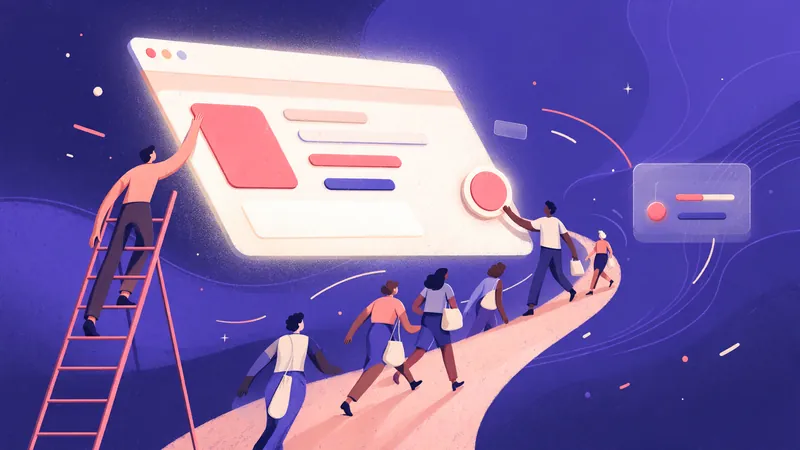
Customers pass glowing gift tickets hand to hand along a chain, each one bringing a new friend through a shop door.
Key points

Key points

  1. 1Research on a bank's referral program found referred customers were more valuable and more loyal than customers won through other channels, which is the economic case for building one.
  2. 2A referral program only amplifies existing goodwill, so it works best for a product customers already recommend unprompted.
  3. 3Double-sided rewards, sized against customer lifetime value and matched to what customers actually want, make the referrer look generous rather than transactional.
  4. 4Sharing should take seconds, the ask should come at moments of satisfaction, and the rules should stop abuse without delaying rewards for honest advocates.

Why referred customers are worth more

A referral program rewards existing customers for bringing in others. It formalizes word of mouth: instead of hoping customers mention you, you give them a reason and an easy way to do it.

The strongest evidence for the value of referral programs comes from a study by Philipp Schmitt, Bernd Skiera and Christophe Van den Bulte, published in the Journal of Marketing in 2011. They tracked about 10,000 customers of a German bank for almost three years and compared customers acquired through its referral program with customers acquired through other methods. They found that referred customers had a higher contribution margin, a higher retention rate, and were more valuable in both the short and long run. The average referred customer was worth at least 16% more than a comparable non-referred customer.

Two details from that study matter for program design:

  • The margin advantage faded over time, but the retention advantage did not. The authors suggest referred customers start better informed, because they talked to the referrer, and stay longer because a friend or family member is also a customer.
  • The effect varied by customer segment. The authors recommend a selective approach rather than assuming every segment will benefit equally.

Practitioners report similar patterns. The Customer Marketing Alliance notes that in B2B, buyers rely heavily on recommendations from peers, referral leads tend to be warmer, and referred customers tend to stay longer. Zendesk adds that the main costs of a referral program are the rewards and any promotion to launch it, which usually means a lower customer acquisition cost than paid channels.

Start with customers who already recommend you

A referral program amplifies goodwill. It cannot create it. Salesforce's guide puts "start with a great product" as an early step, before choosing incentives or tools. If customers are not already recommending you without a reward, a reward will mostly attract people who want the reward.

Before building anything, check:

  • Do customers already mention how they heard about you through a friend or colleague? Add a "How did you hear about us?" question to signup if you do not have one.
  • Would your customers recommend you if asked? A short survey asking how likely they are to recommend you gives a baseline and identifies your most enthusiastic customers.
  • Who are your best customers? Look at retention and spending, not just volume. Referral Factory advises defining your ideal customer before choosing rewards, because the right reward depends on who you want to attract.

Referral Factory also suggests starting with your existing customers as the first audience, because they already know the brand and make a good test group for rewards and messages. Partners, employees and other groups can come later as separate campaigns.

Decide who gets rewarded and with what

Who gets the reward. There are two basic structures:

StructureHow it worksWhen to use it
One-sidedOnly the referrer is rewardedWhen the product itself is the incentive, or the friend already gets a free trial
Double-sidedBoth the referrer and the friend are rewardedMost businesses where a purchase is made

Referral Rock recommends double-sided rewards for any business where a purchase is made. Its reasoning is that when the friend receives something real, the referral stops feeling like an ask and starts feeling like a favor, and the person sharing looks generous rather than transactional. Referral Factory calls double-sided rewards rule number one for the same reason.

What type of reward. Match the reward to how people buy from you. Referral Rock's guidance:

Purchase patternCommon rewards
Infrequent or high-value purchasesCash, gift cards, donations, branded items
Frequent purchases or subscriptionsAccount credit, discounts, free product, free subscription time, cash back

Product-related rewards, such as credit or extra capacity, keep people using your product. The Customer Marketing Alliance points to Dropbox's program, which gave people more of what they already wanted from the product: storage space. Cash is the most flexible reward but ties back to your product least.

How much it should be worth. Size the reward against what a customer is worth to you. Referral Rock suggests rewards worth about 10% of customer lifetime value or lower, and comparable to what you already pay to acquire a good customer through other channels. Customer lifetime value is the total profit you expect from a customer over the whole relationship.

A simple calculation:

Lifetime value per customer        = average monthly gross profit x average months retained
Maximum total reward per referral  = about 10% of lifetime value
Split for a double-sided program   = referrer share + friend share

If lifetime value is low, use lower-cost rewards or a milestone structure where larger rewards come after several successful referrals. Referral Rock warns that the first tier must still be meaningful on its own, or people give up before reaching the next level.

The Wharton study offers a further way to set a ceiling. Its authors show how comparing the value of referred and non-referred customers lets a firm calculate the upper bound for the reward it can afford to pay.

Make referring take seconds

Every extra step loses referrers. The Customer Marketing Alliance says the best programs make sharing as effortless as sending a text message to a friend. Referral Factory warns that people will not spend time figuring out complicated terms, so both the messaging and the signup should be fast and intuitive.

What a low-friction program includes:

  • A unique link or code for each customer. Salesforce describes the referral code or link as the identifier that lets software track who referred whom and which reward applies.
  • Prewritten messages the customer can edit. A suggested text for email, chat and social posts that explains the offer in one sentence.
  • The referral option inside the product. Referral Factory recommends placing a refer-a-friend widget where customers already interact with you, such as a dashboard, account page or checkout confirmation.
  • A clear landing page for the friend. It names who referred them, states their reward and makes signup quick.
  • Automatic rewards. Customers should not have to claim a reward by emailing support.

Write the terms in plain language at the top of the referral page: what the friend must do, what each person receives, and when.

Ask at the right moments

Most customers will not go looking for your referral page. The program needs to appear when they feel good about you.

Good moments to ask:

  • Right after a customer achieves a result with your product, such as finishing a project or hitting a milestone.
  • After a positive support interaction. Zendesk suggests encouraging agents to share the referral program during support conversations.
  • After a customer gives a high score on a satisfaction or recommendation survey.
  • In the order confirmation or receipt, when the purchase decision feels good.
  • At renewal, when the customer has just chosen to stay.

Promote the program across every channel you already use, then remind people. Salesforce lists marketing the campaign across all touchpoints and remarketing to remind customers as separate steps, because one announcement is quickly forgotten. Useful places include your newsletter, account emails, in-app messages, the help center and the footer of support replies.

Ask personally where possible. The Customer Marketing Alliance notes that customers are putting their reputation on the line when they recommend you, so generic messaging falls flat. For high-value B2B accounts, a direct request from the account manager often works better than an automated email.

Write rules that stop abuse, not advocates

Any reward invites some gaming: people referring themselves with a second email address, coupon sites posting codes publicly, or friends signing up and cancelling immediately. Clear rules prevent most of it.

Common qualification rules:

  • The friend must be a first-time customer, with their own account and payment method.
  • The reward is issued after a qualifying action, such as a first payment or a minimum period of activity, rather than at signup.
  • There is a cap on the number of rewards per referrer per period.
  • Codes are for personal sharing, not for publishing on coupon sites.

Many large programs follow this pattern. Zendesk's examples include programs that issue rewards only after the referred customer has been active for a set period, and others that cap the total rewards per referrer.

Do not overcorrect. Referral Rock advises against long delays, such as waiting out a full return period, unless you have a known problem with early refunds or fraud, because the delay creates a bad experience for the people referring you. It also notes that fraud is less common than most businesses expect, and that referral software with fraud detection handles most edge cases.

Measure and improve the program

Set targets before launch. Salesforce recommends defining goals and key performance indicators first and following the analytics closely after launch.

The numbers to track:

MetricWhat it tells you
Participation rateShare of customers who shared at least one referral
Invites sent per participantHow easy and appealing sharing is
Referral conversion rateShare of referred friends who become paying customers
Cost per referred customerRewards plus program costs, divided by referred customers
Retention of referred customersWhether they stay longer than other customers
Revenue from referred customersThe program's contribution over time

Compare referred customers with customers from other channels over months, not weeks. The Wharton study's central finding was about value and retention over time, so a program that looks expensive in its first month may prove profitable over a year.

Then improve one thing at a time: the reward type, the reward size, where the referral prompt appears, the message customers send, or the timing of the ask. Zendesk's five-step process ends with a step simply called review and improve. Teams that track lifetime value carefully, for example with the customer analytics and growth playbooks on Quanta Intelligence, can tie each change to its effect on referred-customer value rather than just referral volume.

FAQ

FAQ

How much should I pay for a referral?

Base it on what a customer is worth to you. One common guideline is to keep the total reward at or below about 10% of customer lifetime value, and close to what you already pay to acquire a good customer through other channels. If lifetime value is low, use product credit or milestone rewards instead of cash.

Should both people get a reward?

For most businesses where a purchase is made, yes. A double-sided reward gives the friend a reason to act and lets the referrer offer something generous rather than asking for a favor. One-sided rewards can work when the product itself is the attraction, such as a free plan.

When should I launch a referral program?

Launch once customers already recommend you without being asked. If very few customers say they came from a friend or colleague, fix the product or customer experience first. A reward cannot make an unremarkable product worth recommending.

How do I prevent referral fraud?

Require the friend to be a first-time customer and to complete a qualifying action, such as a first payment, before rewards are issued. Cap rewards per referrer and forbid public posting of codes on coupon sites. Avoid long reward delays unless you have a known fraud problem, because they frustrate honest referrers.

Is a referral program the same as an affiliate program?

No. A referral program relies on existing customers recommending you to people they know. An affiliate program pays external partners, often publishers or influencers, to promote you to their audiences. The two can coexist, but they need different rewards, tracking and terms.

Sources

Sources

  1. https://faculty.wharton.upenn.edu/wp-content/uploads/2012/04/Schmitt-Skiera-vandenBulte-2011-Referral-Programs-Customer-Value.pdf
  2. https://www.customermarketingalliance.com/great-referral-programs/
  3. https://www.zendesk.com/blog/customer-experience/feedback/customer-referral-program/
  4. https://www.salesforce.com/marketing/loyalty/referral-programs/
  5. https://referral-factory.com/learn/referral-program-best-practices
  6. https://referralrock.com/referral/rewards-incentives/
About the author

About the author

Antonio Evans
Antonio Evans

Antonio Evans is the founder of Quanta Intelligence and a fractional CTO who builds HIPAA-ready AI systems for health and life-science companies. Before that he was technical co-founder of FriendsEAT for twenty years, CEO of Socialdraft, and a data engineer at IBM. Antonio lives with his dog Santino in Lisbon, Portugal.

All articles