Antonio Evans
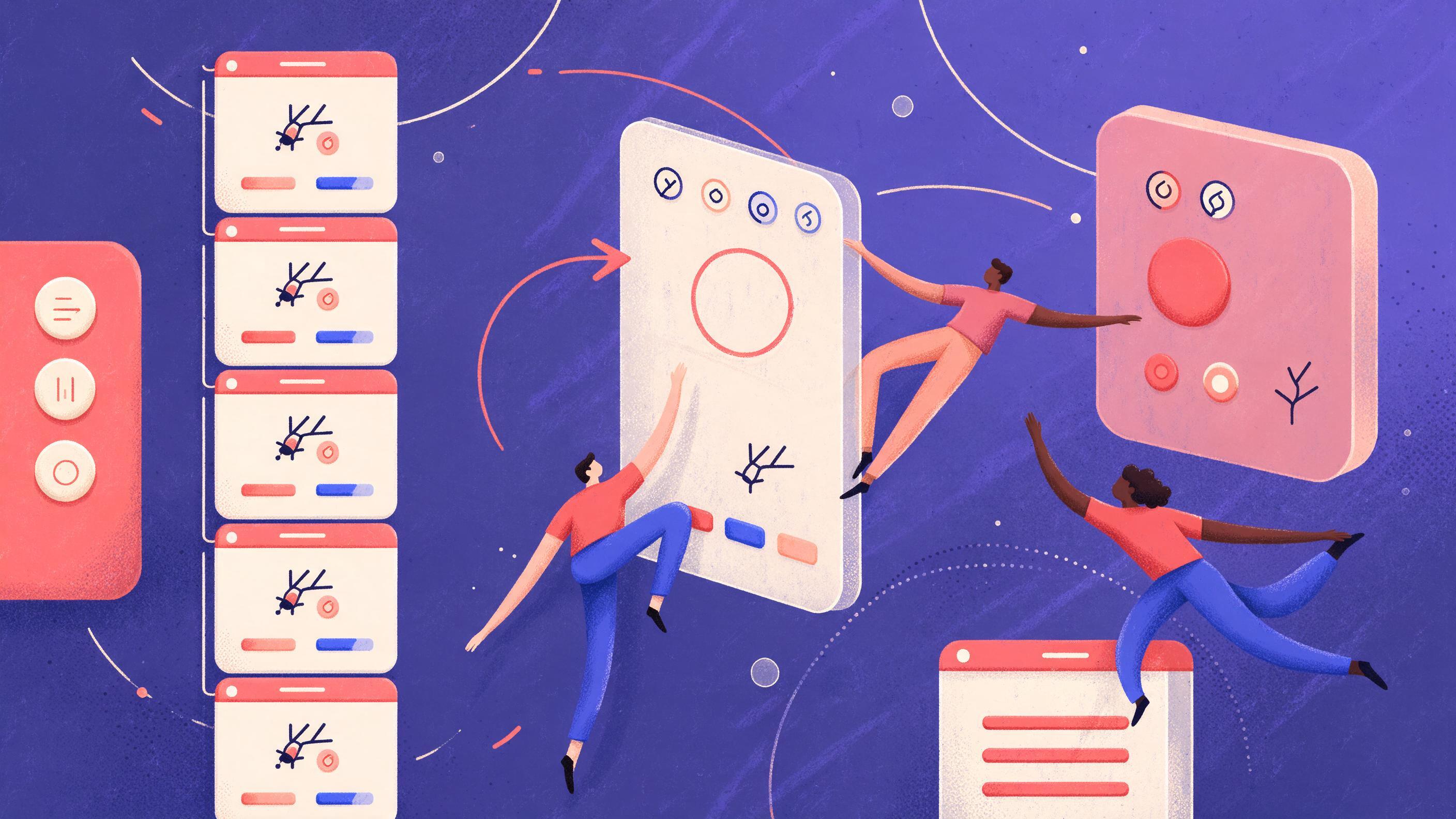
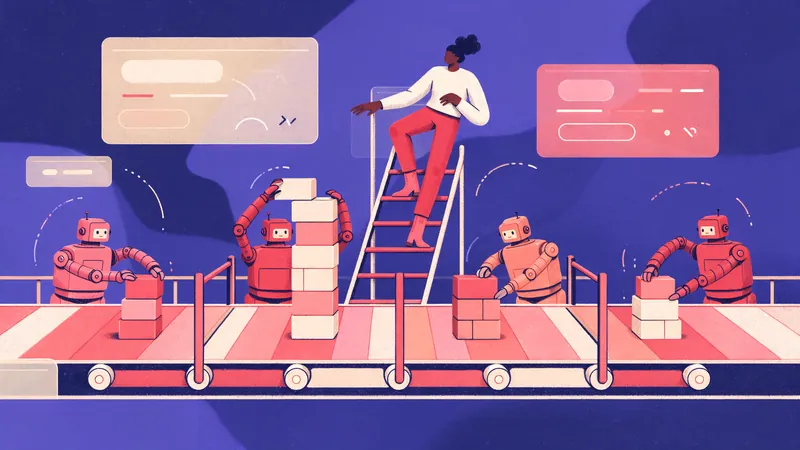
A job queue answers "what is next." It does not answer "who is holding what," and those are different questions. Once you run more than one coding agent in parallel, the second question becomes the expensive one. Teams that run agents side by side report that they "stomp on each other's code or confuse each other," and that productivity gains disappear when agents share a working copy Run multiple coding agents safely with git worktrees. The standard fix is one workspace per writer, usually a git worktree with its own branch Claude Code worktree docs.
Worktrees prevent two agents from editing the same files, but they do not prevent the same task from being handed to two agents. Note the distinction stated plainly in a parallel-agent guide: worktrees "do not prevent merge conflicts or incompatible changes when you combine the branches" Superset parallel agent guide. Ownership is a scheduling problem, and it has to be solved in the queue, not in git. A multi-agent workspace only stays reliable when coordination is treated as infrastructure, with explicit task boundaries, isolated execution and evidence-based merges Augment Code multi-agent guide.
The decision rule for a practitioner is simple: if two agents could in principle receive the same task record, you need ownership tracking. If your queue already guarantees that each record is consumed exactly once, you still need it, because "consumed once" breaks the moment a worker crashes after claiming but before finishing.